

Family Centers Opens New School Based Health Center In Stamford
Family Centers officially marked the opening of its new full-service School Based Health Center (SBHC) at Turn of River Middle School with a ribbon cutting ceremony on Sept. 22.
Family Centers officially marked the opening of its new full-service School Based Health Center (SBHC) at Turn of River Middle School with a ribbon cutting ceremony on Sept. 22.

Connecticut officials are hoping the state is allotted a piece of a $50 billion federal grant to improve health care and access in rural parts of the state.

A surge in demand is straining Connecticut’s community health centers.
Over the last five years, the state’s community health centers saw an 18% increase in patient volume, new federal data shows.

Video | “CT BUZZ” welcomed Michael Taylor, CEO of the Cornell Scott-Hill Health Center, and Dr. Michael Couturie, Chief Medical Officer of Medical and Dental Services, to highlight the organization’s mission of providing accessible healthcare to the Greater New Haven community and beyond.

Community health centers in Connecticut and nationwide are coming together to fight for funding.
With federal budget talks at an impasse, it could lead to lost funding for the centers, which fill gaps in the health care system. In Connecticut, the 17 community health centers in the state provide care for around 452,000 people, regardless of whether they are insured.

Community Health & Wellness Center — which operates clinics in Torrington, Winsted and North Canaan — and Wheeler Health — which serves patients in Bristol, Hartford, New Britain, Plainville and Waterbury — have signed a letter of intent to evaluate combining into one network.
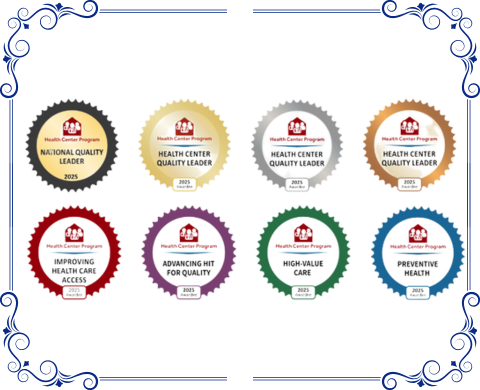
Despite the challenges facing them on the federal level – such as changing policies and executive orders from the Trump administration – several of the state’s community health centers (CHCs) are being nationally recognized for the services they provide to hundreds of thousands of patients.

Community health centers (CHCs) are an essential source of health care for millions of U.S. women, building on a long history of providing care to under-resourced and higher-risk communities.

Scores of workers at clinics, nonprofits and state agencies help some of Connecticut’s most at-risk residents to stay not only sober, but also fed, safe, housed. But that work’s future has been spun off-kilter in recent months by massive federal budget cuts to programs that serve the poor.
Between 100,000 and 200,000 Connecticut residents could lose health insurance coverage from HUSKY Health, the state’s Medicaid program, over the coming years, severely impacting seniors, healthcare and eldercare facilities, particularly in rural communities.