A Self-Created Public Health Crisis
Read this opinion piece from UCFS Board Chair and longtime patient Deb Kievitz about the funding crisis for CT’s Community Health Centers.

Read this opinion piece from UCFS Board Chair and longtime patient Deb Kievitz about the funding crisis for CT’s Community Health Centers.

Connecticut’s Community Health Centers (CHCs) provide essential health care to 440,000 people in this
state, with a mission rooted in access to high quality care for all. Patients are seen regardless of ability to
pay, and a majority rely on HUSKY/Medicaid for insurance. However, Connecticut’s CHCs are in a
financial crisis due to insufficient Medicaid reimbursement.

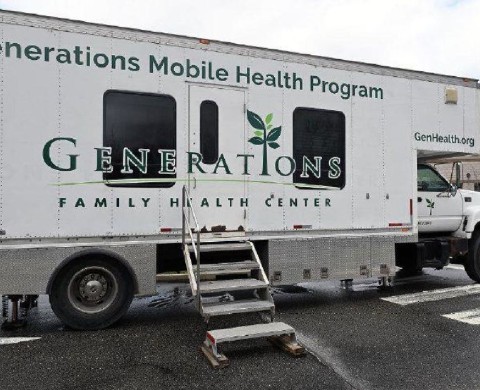
In a region with fewer health care providers per person than anywhere else in the state, Generations is working to boost access by making dental and medical care mobile.

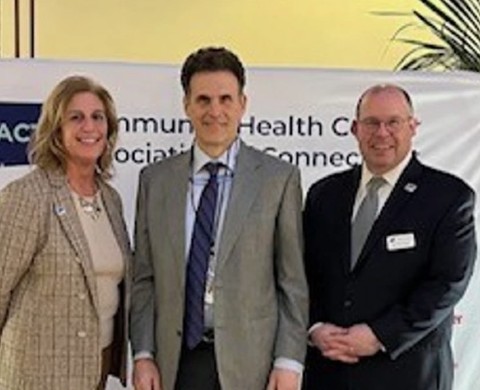
More than 900,000 people in Connecticut rely on Medicaid. State leaders gathered at the Connecticut Institute for Communities in Danbury to hear from leaders of state agencies about how cuts to Medicaid are going to hurt them.

Rep. Joe Courtney and Comptroller Sean Scanlon along with healthcare leaders, substance recovery providers and disability rights advocates gathered at United Community & Family Services in Norwich Friday to highlight the consequences of the GOP-passed budget, which would decimate the Medicaid program.

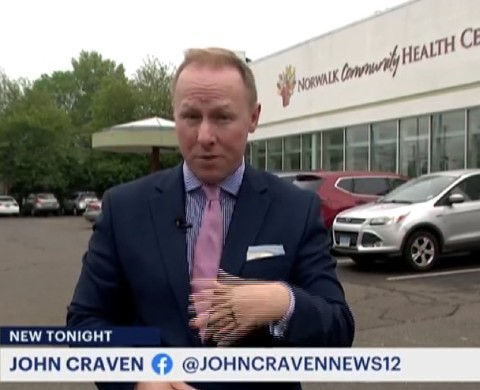
Fair Haven Community Health Care is looking to open a separate private practice — with no federal funding — so that it can continue to treat all of its patients without violating any of President Donald Trump’s executive orders. The neighborhood-anchoring community health center’s CEO, Suzanne Lagarde, detailed that plan Friday morning during a meetup with U.S. Sen. Chris Murphy and others.

After reading Ellen Andrews’ recent analysis of Connecticut’s valued-based health care payment system, known as Person-Centered Medical Home Plus (PCMH+), we have to give Dr. Andrews credit: she is both persistent and consistent. Dr. Andrews has managed to maintain her peculiar opposition to Community Health Centers and the PCMH+ program for over 10 years, despite evidence of improved health outcomes, enhanced access to care, and better patient satisfaction.

The message sent by Connecticut’s Medicaid underfunding is clear: health inequity is acceptable. By failing to support FQHCs adequately, we perpetuate disparities in access to primary care, worsen health outcomes, and drive up overall healthcare costs. This is not just a financial issue; it is a moral imperative.

This month CHC/ACT filed legal action against DSS to try to force compliance with federal laws that govern Medicaid reimbursements. If we are successful, Connecticut will be required to fund community health centers at rates that reflect the actual cost of health care services provided, rather than at rates that balance the state budget on the backs of those most in need. That is what is really at stake here.

The Trump administration’s shakeup of the federal government is sending shockwaves throughout Connecticut, from federal workers to nonprofits to elected officials. Recent job cuts from the newly-formed Department of Government Efficiency, alongside federal funding freezes, which have been challenged and struck down in federal courts, have left residents, community organizations and local government leaders uneasy about the future.